
How We Got Hooked on Credit Cards
Video lesson + interactive tasks about the rise of credit cards, how banks changed borrowing habits, and why consumer debt became such a powerful part of modern life.
Stage 1
GLOSSARY
Before watching, review the words that will help you understand the video.
- credit card — a card that allows someone to buy goods or services now and pay for them later
- deferred payment — an arrangement in which payment is made after a product or service is received
- merchant — a person or company that sells goods or services
- transaction fee — a small amount of money charged for processing a payment
- interest payment — extra money paid when borrowed money is not repaid immediately
- consumer debt — money owed by ordinary people for personal spending
- charge slip — a paper record used to process a card payment before digital systems
- interest rate — the percentage charged on borrowed money
- credit score — a number that represents how reliable a person is at repaying debt
- lending system — the way banks and financial institutions give and manage borrowed money
Stage 2
PREDICTION
Using the new words, choose the most likely topic of the video.
1) What will the video most likely explain?
Stage 3
FIRST WATCH — Listening for gist
Watch the video once. Do not pause the video. Focus on the general idea.
1) Choose the best summary of the video.
Stage 4
SECOND WATCH — Listening for Details
Watch the video again. Focus on details. You may pause if necessary.
True / False
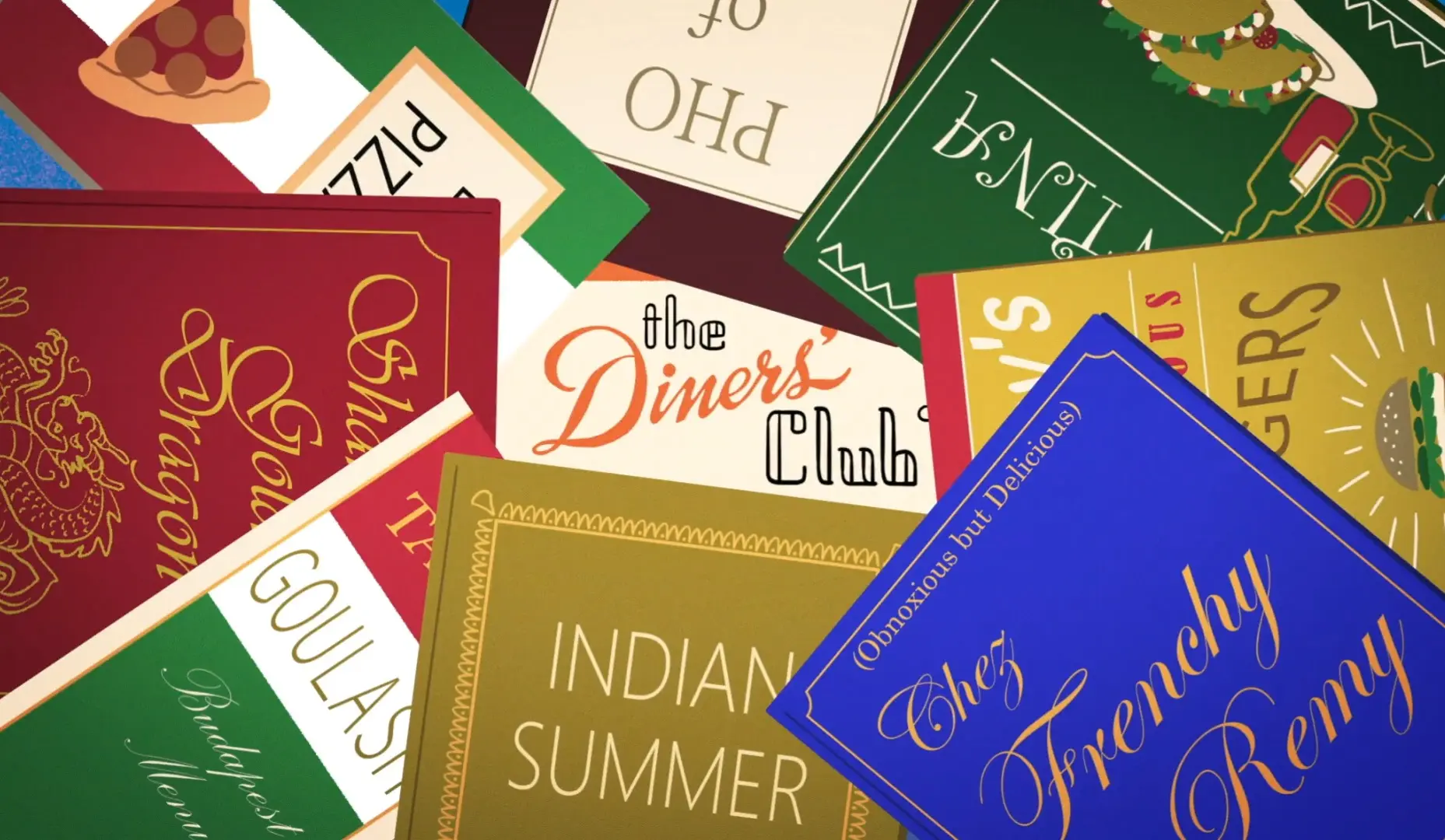
1) Frank McNamara created the Diners Club Card after an embarrassing moment when he had no wallet at dinner.
2) Earlier credit systems already existed long before the Diners Club Card.
3) Banks earned money only from transaction fees and never from interest payments.
4) Banks invested in early computers partly because manual processing of charge slips was too slow.
5) The video suggests that today’s credit card system often encourages people to keep carrying debt.
Multiple Choice
1) Why was the Diners Club Card considered revolutionary?
2) What was one advantage of credit cards for consumers in the early years?
3) What happened after Bank of America mailed thousands of unsolicited cards to Fresno residents?
4) Why did banks continue pushing credit cards even after early losses?
5) How does the video describe the long-term effect of credit cards on society?
Stage 5
VOCABULARY PRACTICE
Task 1
Match the word and the picture
Tap a word, then tap an image. Listen and pronounce.
Task 2
Match the word and the definition
Tap a word, then tap the correct definition. Wrong answers won’t be placed.
Task 3
Fill in the gaps
Tap a word, then tap a gap. Wrong answers won’t be placed. Tap a filled gap to clear it.
Stage 6
FINAL VOCABULARY TEST (Score)
Complete the final test. Click Submit & Score.