
Listening Practice
Listen to the audio and answer the questions below.
A Dinner to Remember
A Dinner to Remember
I've always enjoyed cooking, but I can only do the basics — chop vegetables, fry an egg, boil water. My mum has always done the cooking at home. She can follow a recipe or just throw ingredients together. I usually just helped wash the dishes afterwards.
Last month I decided to cook dinner for my girlfriend, Emma. It was our anniversary — a special occasion. I didn't want to order a takeaway or heat a frozen meal. I wanted to make a proper home-cooked meal.
I found a recipe for roast chicken online and made a shopping list: a chicken, potatoes, carrots, onions, herbs, and wholemeal bread. I also checked the ingredients on the labels.
On the day, I peeled the potatoes, sliced the carrots, chopped the vegetables, and mixed the ingredients for the stuffing. I roasted the chicken and set the table — plates, glasses, candles.
Then I noticed a strange smell. The chicken was burning on top but raw inside. I ran out of ideas and panicked. I called my mum. "Turn down the heat, cover it with foil," she said. "And next time, follow the recipe."
The chicken turned out golden, juicy, and full of flavour. Emma arrived and complimented me on the cooking. We had the meal together, and she drank to my health. For dessert, I had a cake from a bakery — I wasn't brave enough to bake a cake yet, but I promised to try out a dessert recipe soon.
After dinner, we cleared the table and washed the dishes. Emma said we should cook more instead of eating out. Since then, I've been trying out new recipes. I've learned to grate cheese, stir soup, and whisk eggs. I've also started to eat a balanced diet and bought a recipe book.
A home-cooked meal isn't just about food. It's about sharing with people you care about.
Comprehension Questions
1. What could the author cook before the dinner for Emma?
2. Why did the author decide to cook dinner himself?
3. What went wrong while the chicken was in the oven?
4. Who helped the author save the dinner?
5. How did the chicken turn out in the end?
6. What did Emma do before they started eating?
7. What has the author learned to do since that dinner?
8. What lesson did the author learn from this experience?
Vocabulary
Learn new words, phrasal verbs and useful phrases.
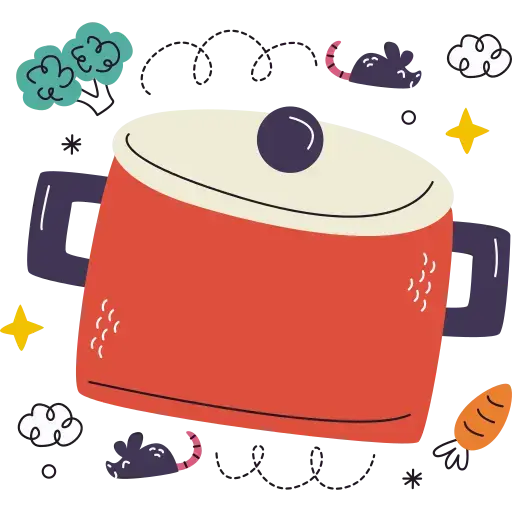
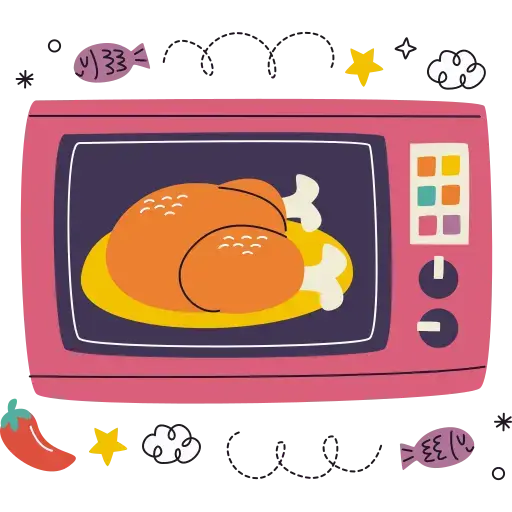
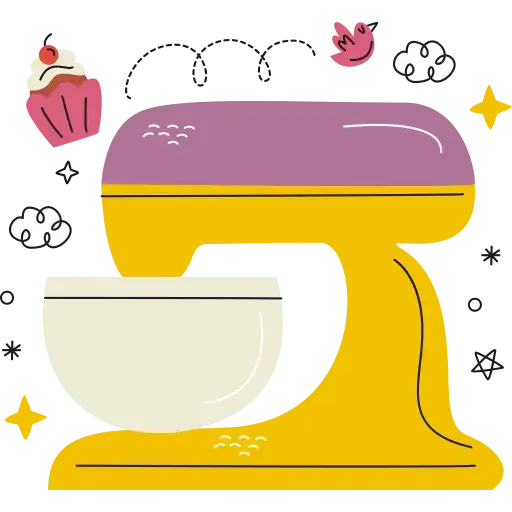
Match the words and phrases with the pictures and listen to the pronunciation
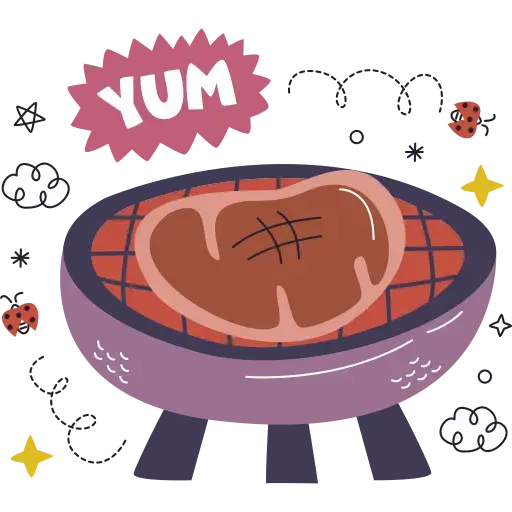
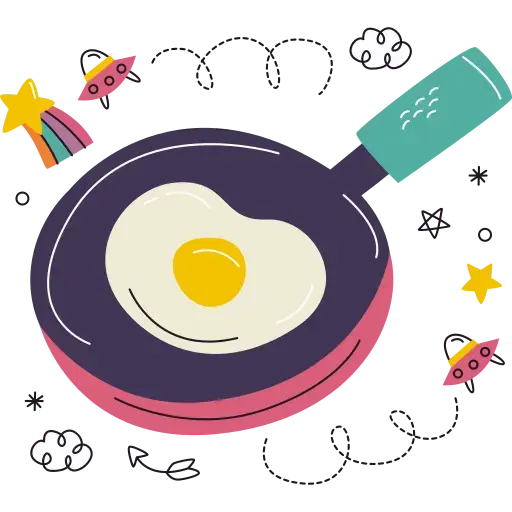
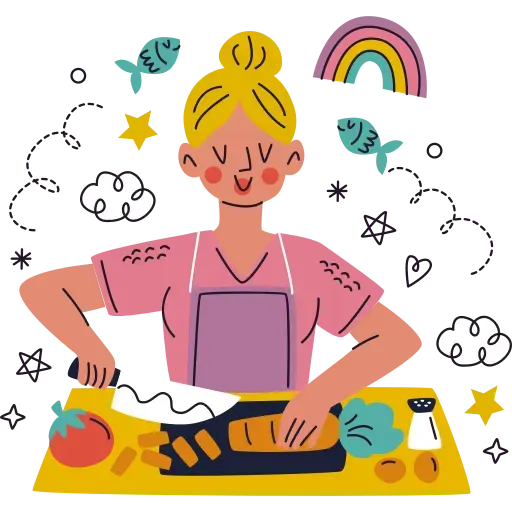
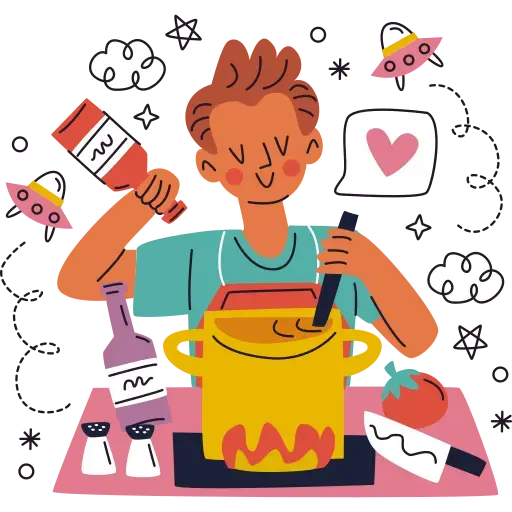
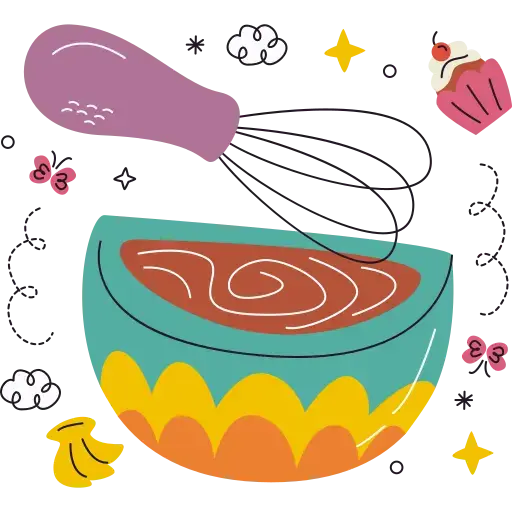
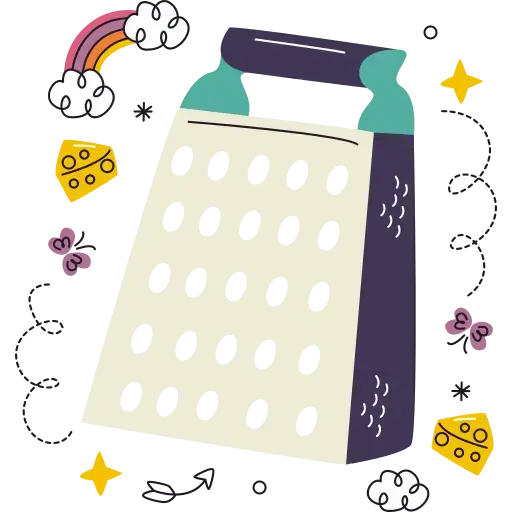
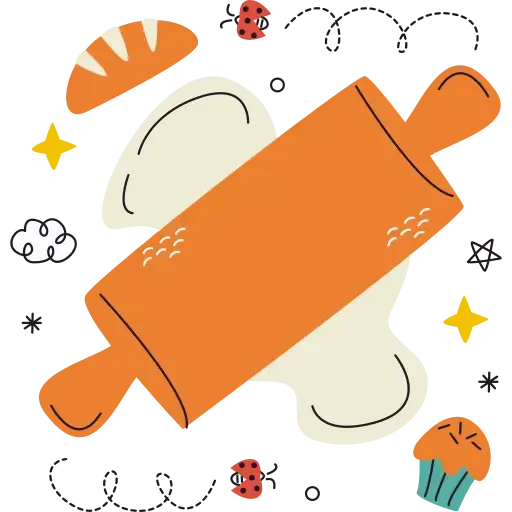
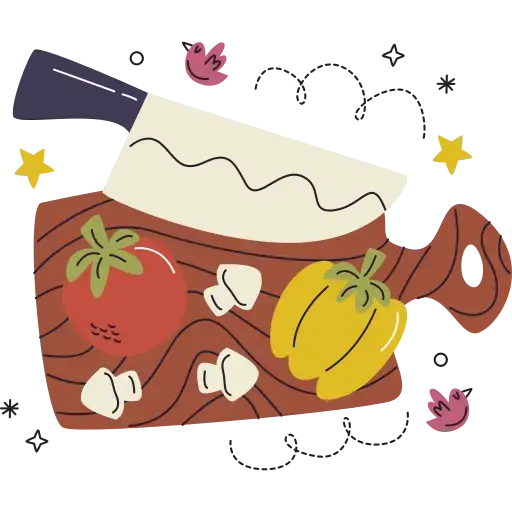
Match the phrasal verbs with their definitions
Match the useful phrases with their definitions
Practice
Complete the exercises to practise the new vocabulary.
Complete the sentences with the correct phrasal verb
1. The milk has been in the fridge too long — I think it has .
2. I wanted to bake a cake but I've eggs.
3. You can the salt if you prefer less salty food.
4. The smell of that cheese is enough to eating it.
5. We don't cook at home much — we prefer to .
6. I'll the soup from yesterday for lunch.
7. I'm trying to sugar and eat more vegetables.
8. I want to a new pasta recipe this weekend.
Complete the sentences with the correct useful phrase
1. My mum usually at home.
2. I need to carefully — I've never made this dish before.
3. This soup is amazing — it's really .
4. We usually together at about seven in the evening.
5. Let's to celebrate your new job.
6. Can you help me ? The plates are in the cupboard.
7. After dinner, I'll and you can wash the dishes.
8. The restaurant is very popular, so we should .
9. I don't feel like cooking tonight — let's just .
10. I was too tired to cook, so I just .
11. It's important to with plenty of fruit and vegetables.
12. Always on the label before you buy food.
13. I'm always happy to when we go to a restaurant.
14. Before I go to the supermarket, I always .
Complete the sentences with the correct word or phrase
1. Can you help me for the salad?
2. Be careful when you — the knife is very sharp.
3. I need to to put on top of the pasta.
4. My grandmother taught me how to from scratch.
5. It's a nice evening — let's in the garden.
6. Can you for me? I like it sunny side up.
7. We're going to for Sunday lunch.
8. First, and then add the pasta.
9. Put the flour and eggs in a bowl and well.
10. Don't forget to from time to time.
11. with a little milk to make the perfect omelette.
12. You need to before you can make the pizza base.
Final Test
Check your knowledge of cooking vocabulary, phrasal verbs and useful phrases.