
Listening Practice
Listen to the audio and answer the questions below.
The Learning Journey
The Learning Journey
Everyone learns differently, but successful students share some common habits. If you want to excel academically, it is essential to study hard rather than leave everything until the last minute. During lectures, it is always highly beneficial to take notes so you can easily review the material later. Furthermore, some specific facts and formulas simply have to be learned by heart or memorized, especially in subjects like history or medicine.
When it comes to bigger academic projects, you often need to do research by analyzing books, articles, and reliable online sources. Step by step, you gain knowledge and start to understand your subject more deeply. With enough regular practice, you can master a skill and become fully confident in using it. Additionally, asking questions and actively discussing ideas with peers always helps to improve your understanding.
True education is not only about passing tests; it should also broaden your horizons and help you see the world from a different perspective. However, exams are an inevitable part of the process. When you take an exam, thorough preparation is everything. If you pass an exam, it clearly means your hard work has paid off. While some students tend to cram for a test at the last moment, this is rarely the best strategy. It is far more effective to study regularly and make progress week by week.
Sometimes, things do not go as planned. If you miss classes because of illness, you might easily fall behind. In such cases, you need to catch up on the material quickly to keep up with the class. A resilient student knows how to learn from mistakes instead of being discouraged by them. Moreover, teachers always expect you to turn in an assignment on time and meet the deadline. If you want to learn something completely new, you can easily enroll in a course online or at a local college. Ultimately, after years of dedication, you finally get a degree — and that is a moment to be truly proud of.
Comprehension Questions
1. What is essential if you want to excel academically?
2. Why is it beneficial to take notes during lectures?
3. What do you need to do for bigger academic projects?
4. What happens when you gain knowledge and practice regularly?
5. What should true education do beyond passing tests?
6. What do some students do at the last moment?
7. What might happen if you miss classes because of illness?
8. What do teachers expect you to do with assignments?
Vocabulary
Learn essential education collocations and idioms.
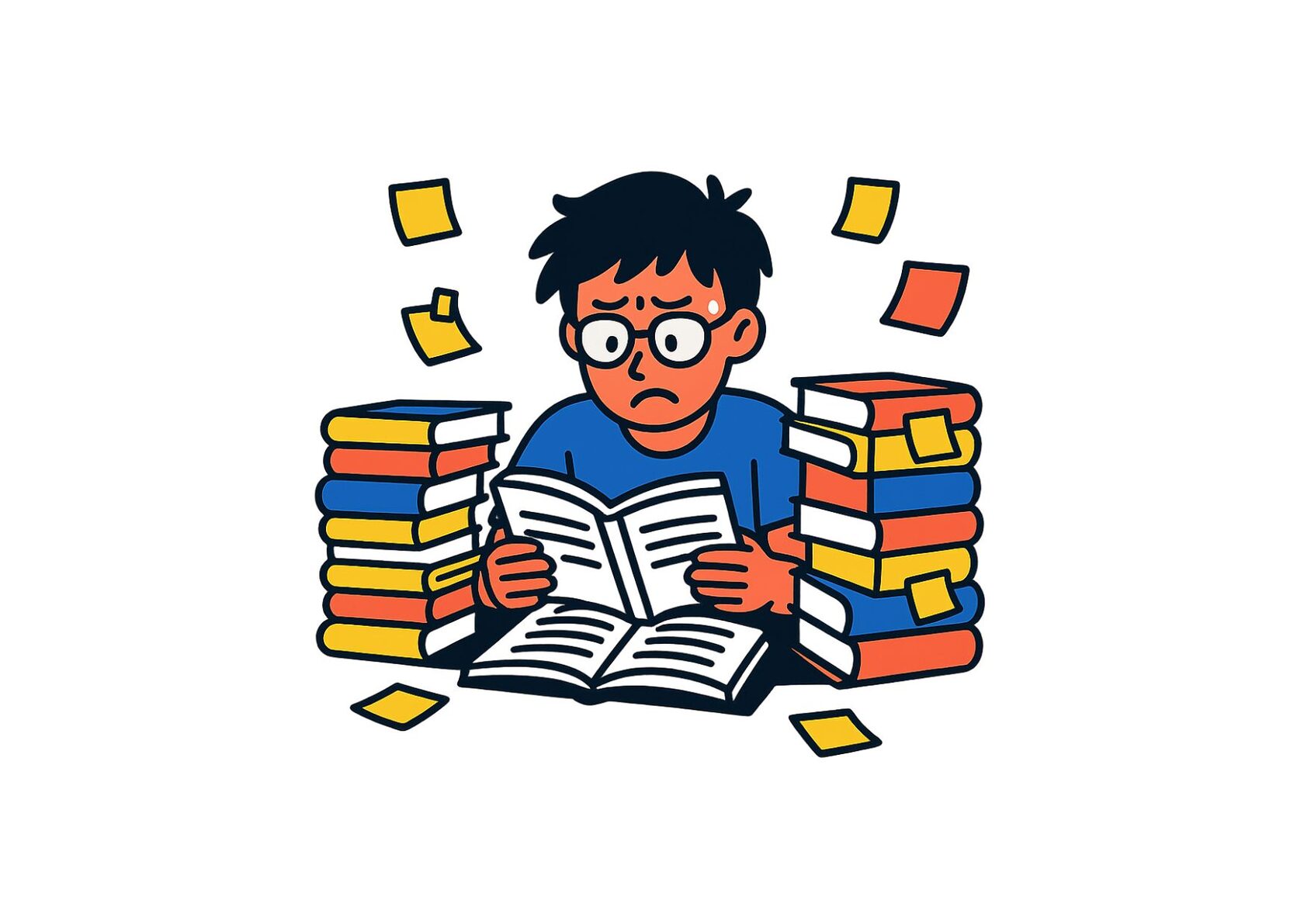
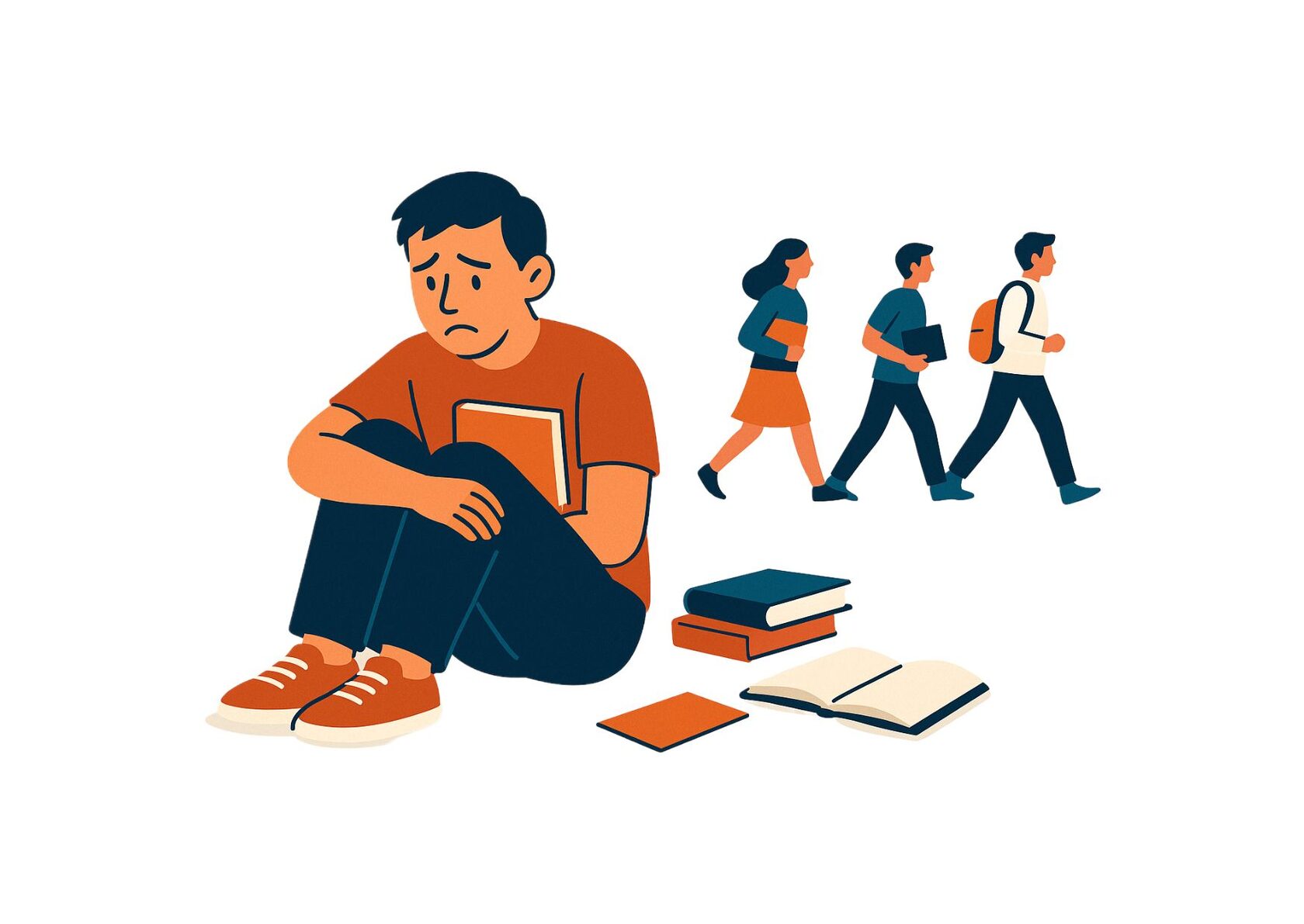
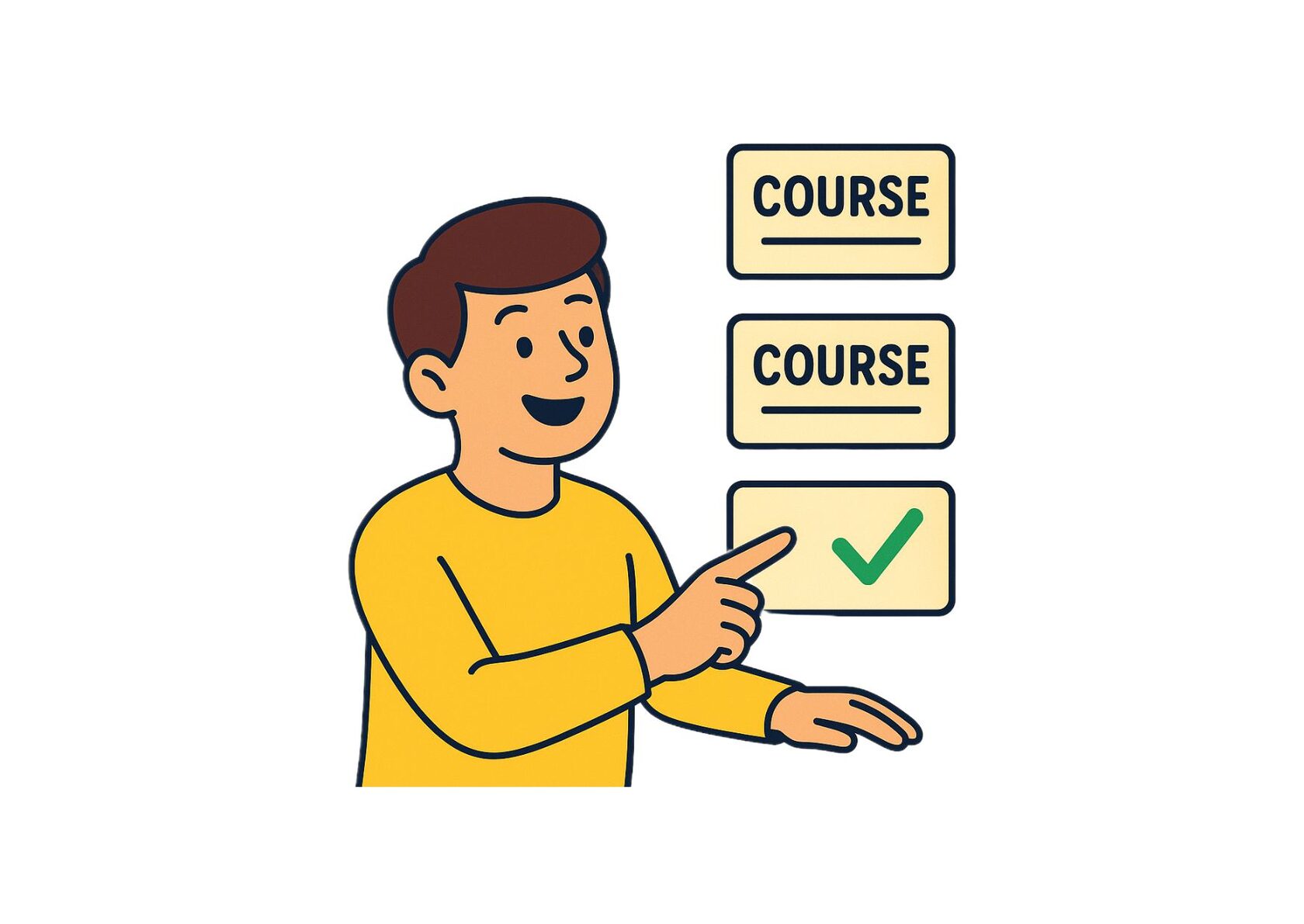
Match the education collocations with the pictures and listen to the pronunciation







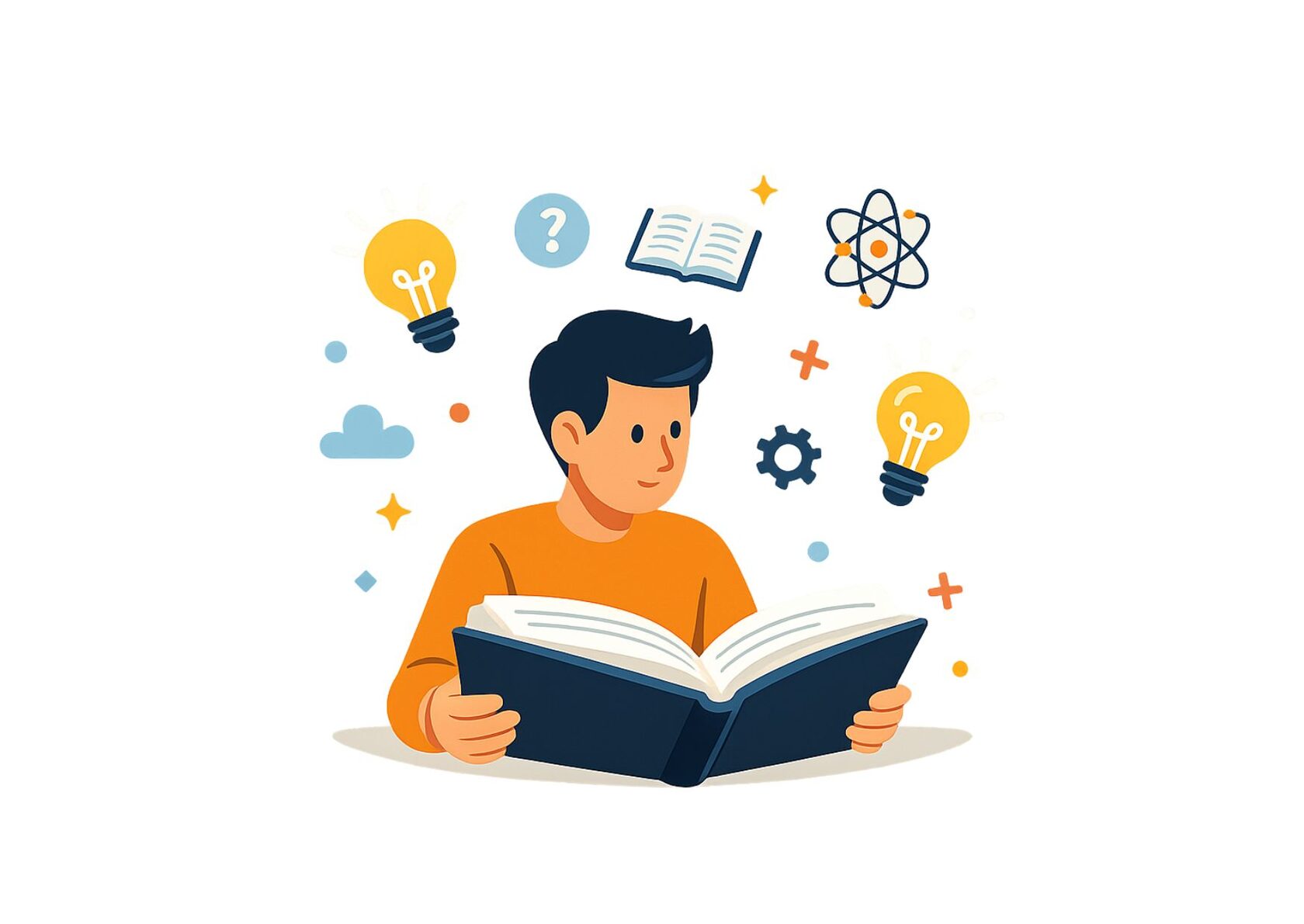
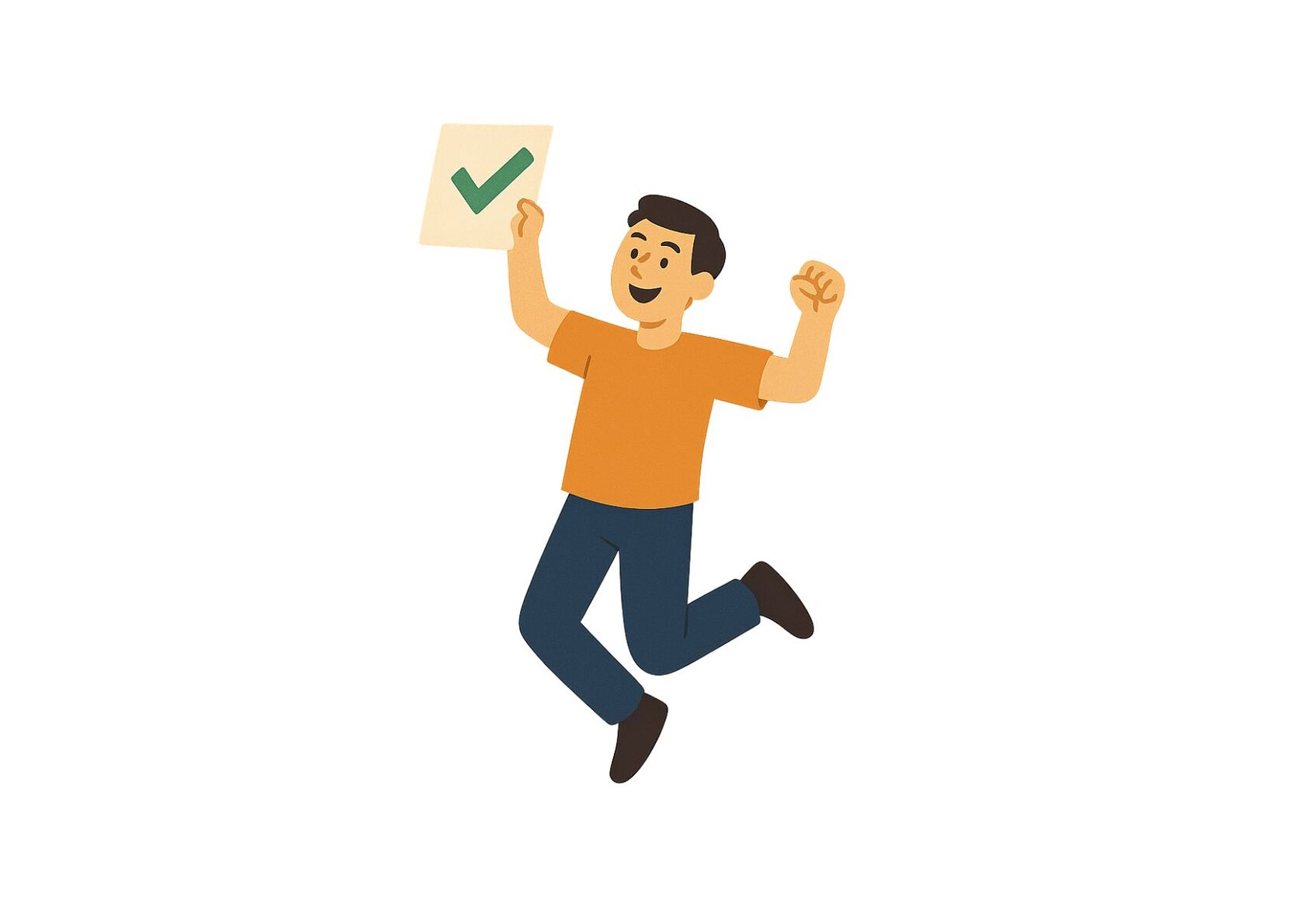
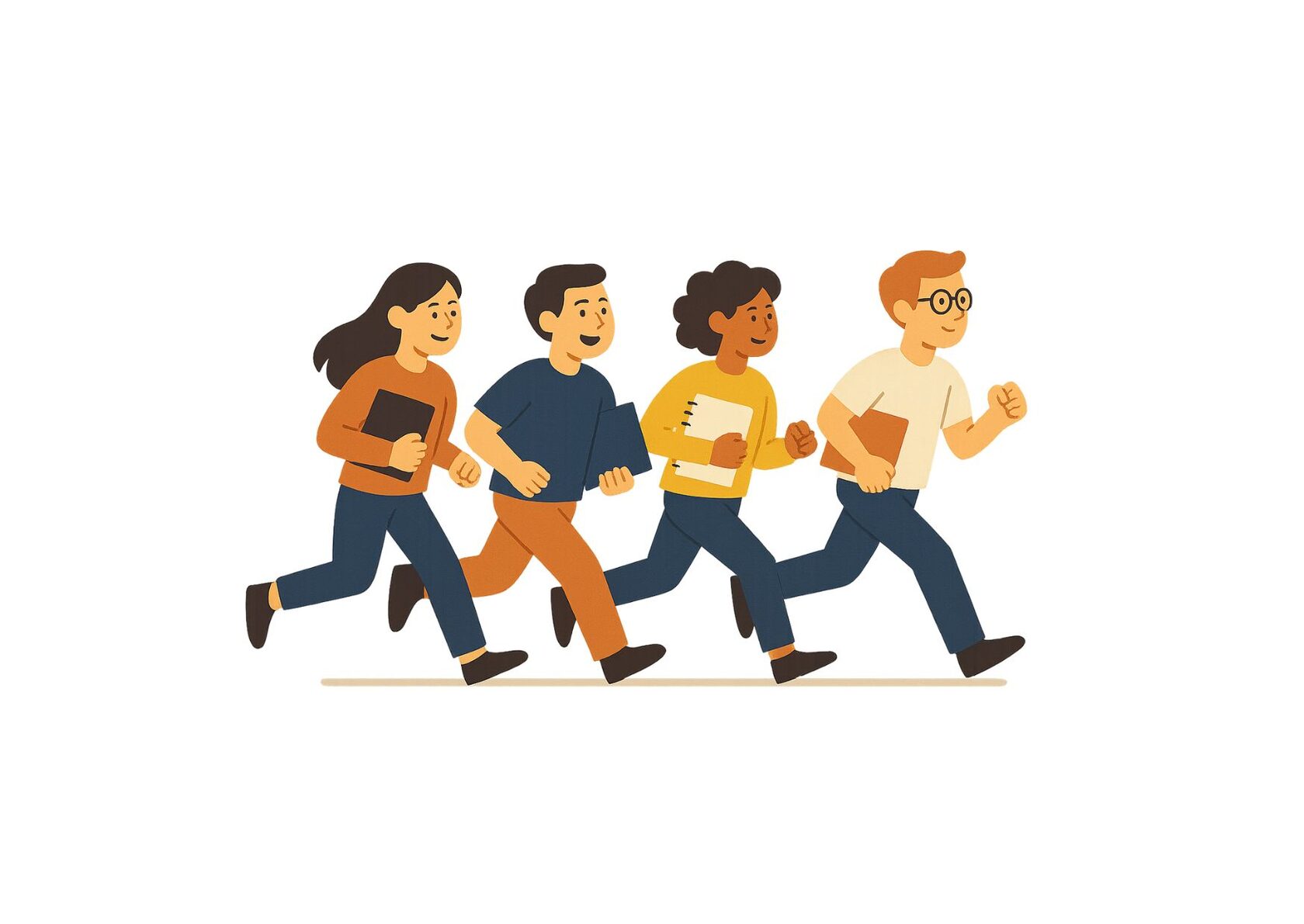

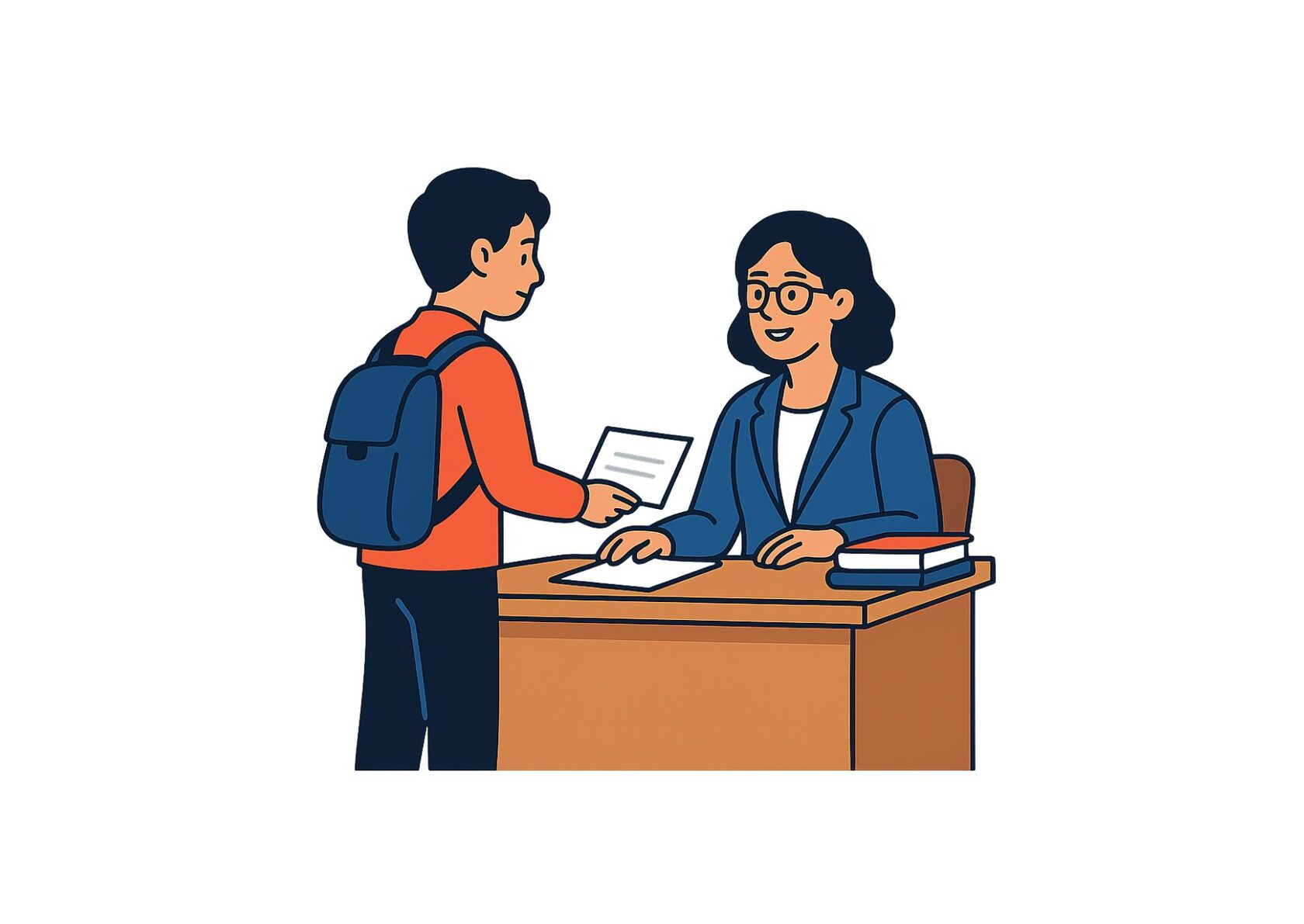


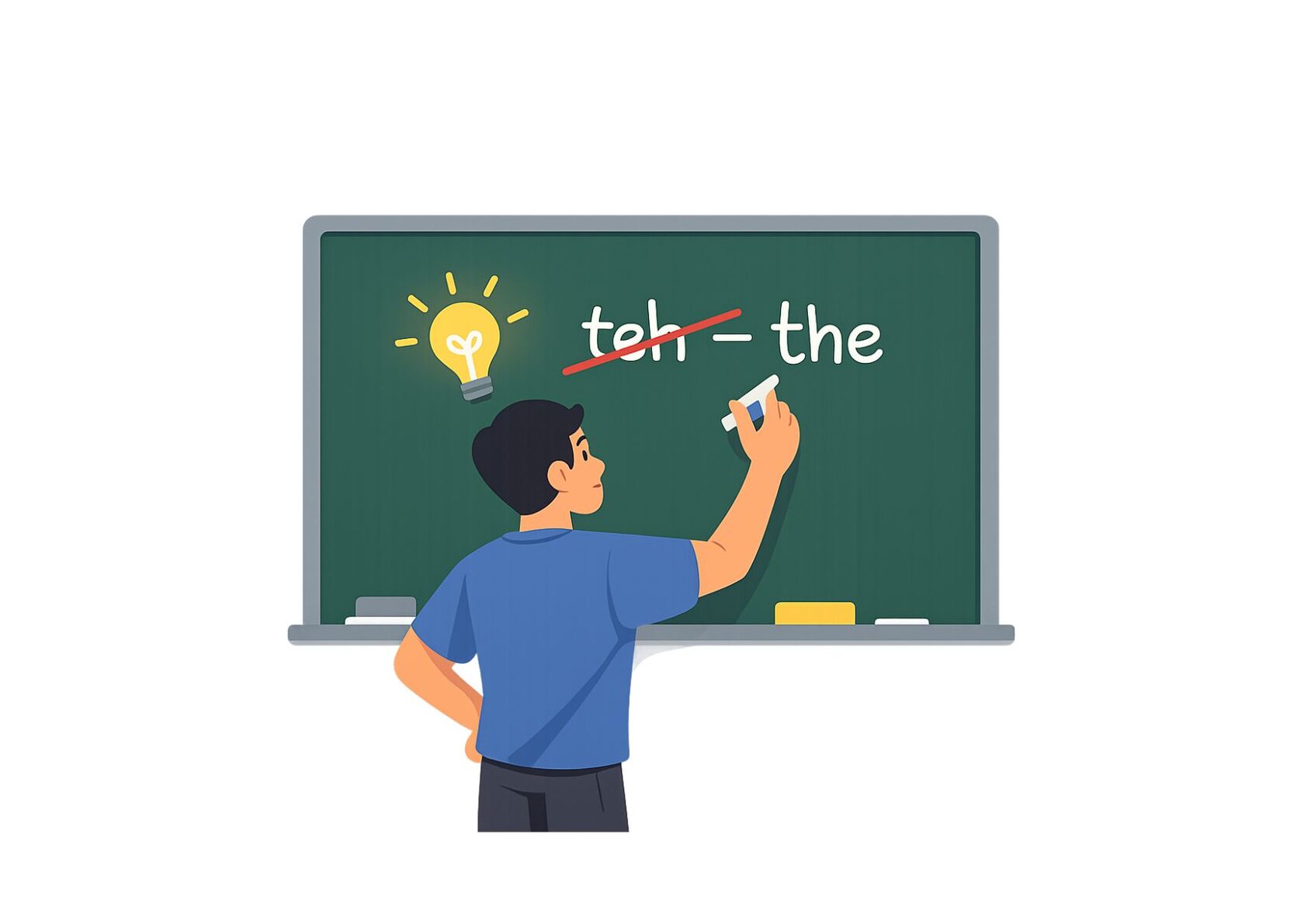
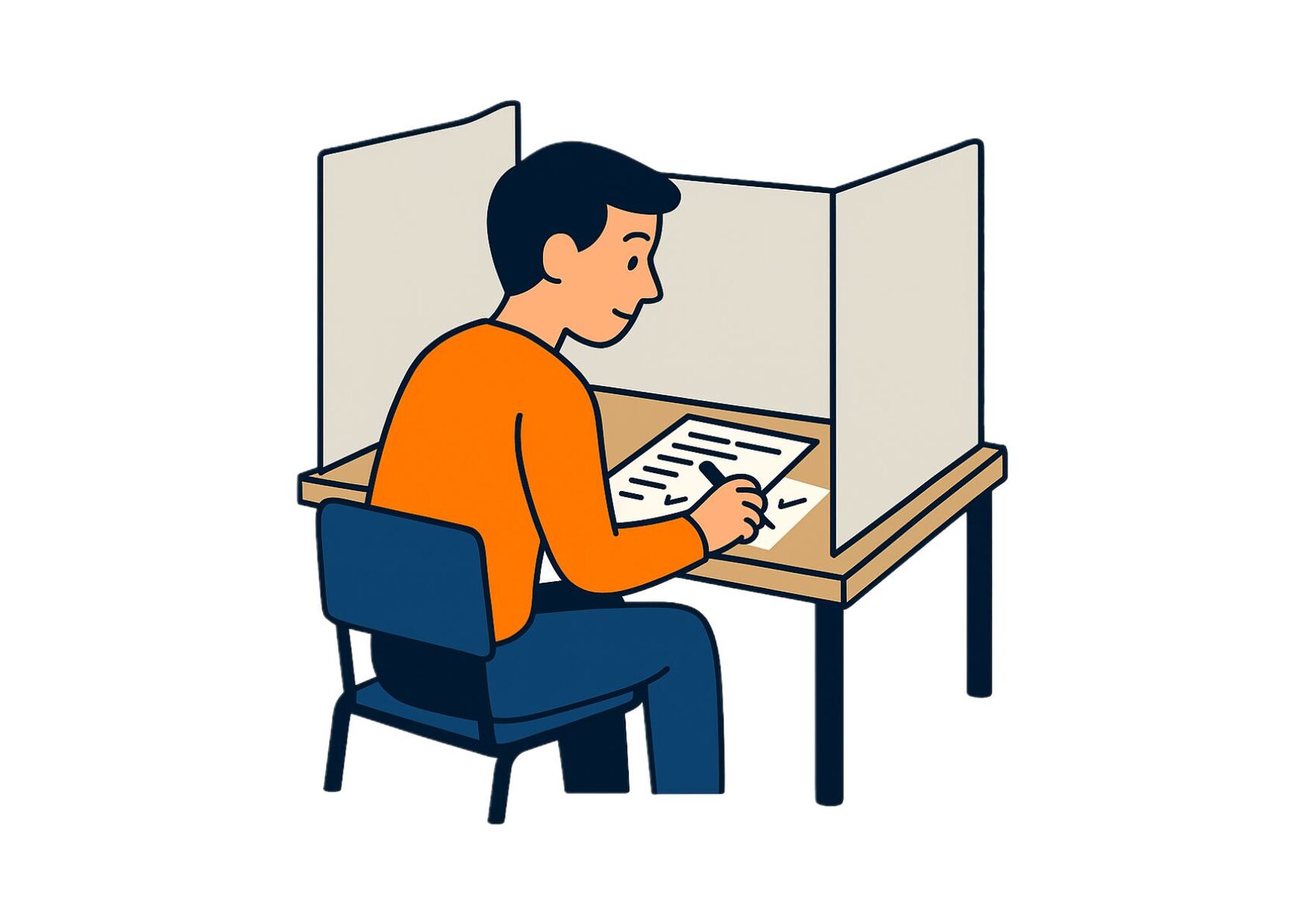
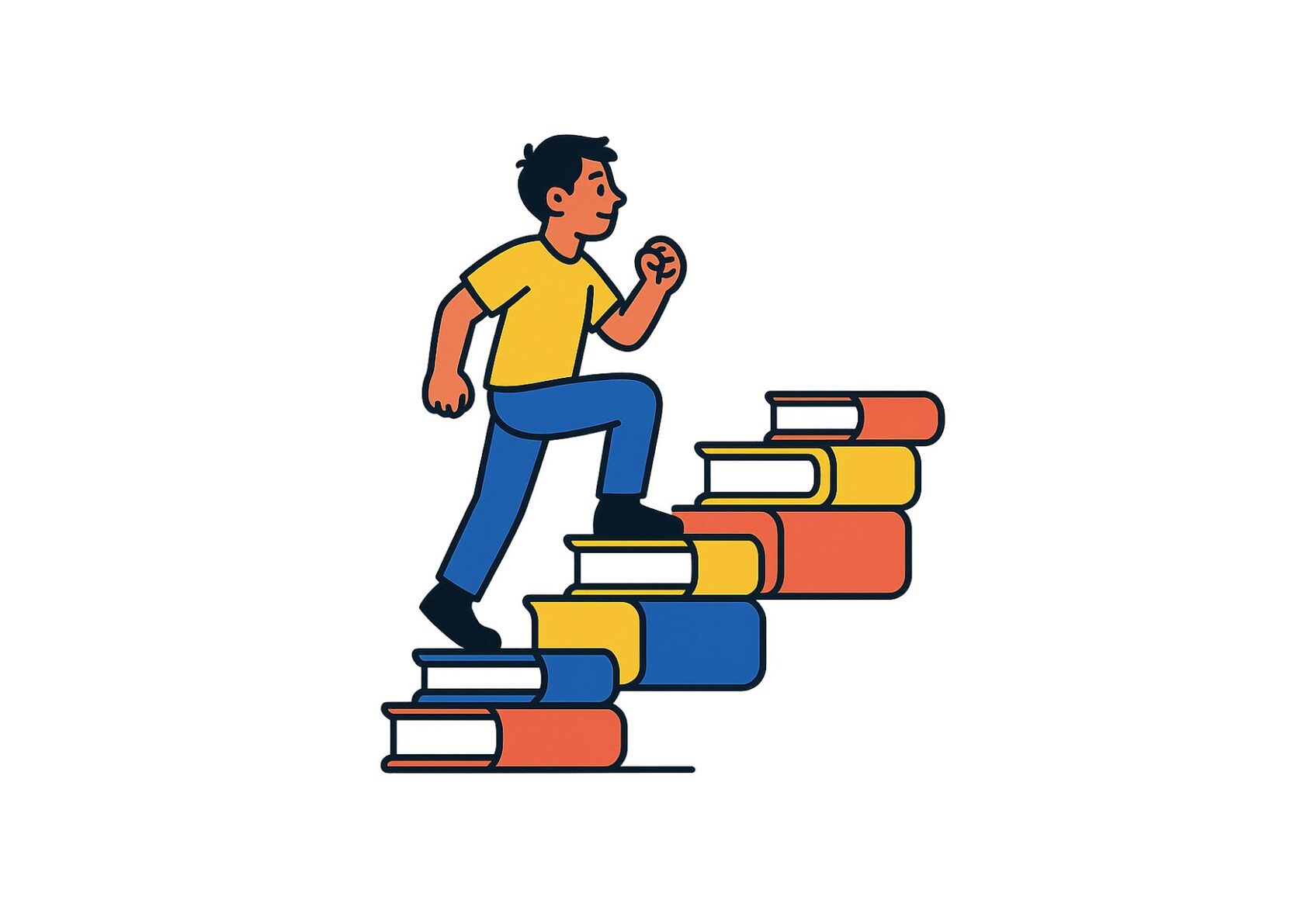
Match the education idioms with their definitions
Practice
Complete the exercises to practise the new vocabulary.
Complete the sentences with the correct education collocation
1. The exam is next week. If you want to pass, you need to every evening.
2. The lecturer speaks very fast, so I always to remember the key points.
3. For the history test, we had to over fifty dates and names.
4. Before writing her thesis, she spent months in academic journals.
5. By reading widely and attending lectures, students gradually about their subject.
6. It took him years of practice to , but now he plays the piano beautifully.
7. Asking questions in class really helps you of difficult topics.
8. Studying abroad helps you and see the world differently.
9. I'm nervous because I have to in biology tomorrow morning.
10. She was so relieved when she and could finally relax.
11. He didn't study all semester and tried to the night before.
12. After practising every day, she could see she was starting to .
13. If you miss too many lessons, it's hard to .
14. After being ill for two weeks, he had to quickly.
15. Students who don't study regularly often by the end of the semester.
16. A good teacher shows students how to instead of being afraid of them.
17. The professor reminded us to online before midnight.
18. If you don't plan your time well, you won't .
19. To improve her English, she decided to at a language school.
20. After four years of hard work, he was proud to in economics.
Complete the sentences with the correct education idiom
1. The exam is in three days and I haven't opened a book yet. It's time to .
2. She had to to finish her dissertation before the deadline.
3. He studied really hard and , getting the highest score in the group.
4. Some students think it's cool to , but they usually fail the tests.
5. This puzzle is really tricky. Let's and find the solution.
6. I've been trying to remember where I left my textbook.
Final Test
Check your knowledge of education collocations and idioms.